
Understanding Small-Batch Cheese Production
- Caio Borges Lopes
- May 15
- 1 min read

Small-batch cheese production is defined less by scale alone and more by the level of control maintained throughout the process. On smaller farms, milk is typically collected and processed within a short timeframe, reducing variability and preserving freshness. This creates a direct connection between the condition of the herd, the environment, and the final product.
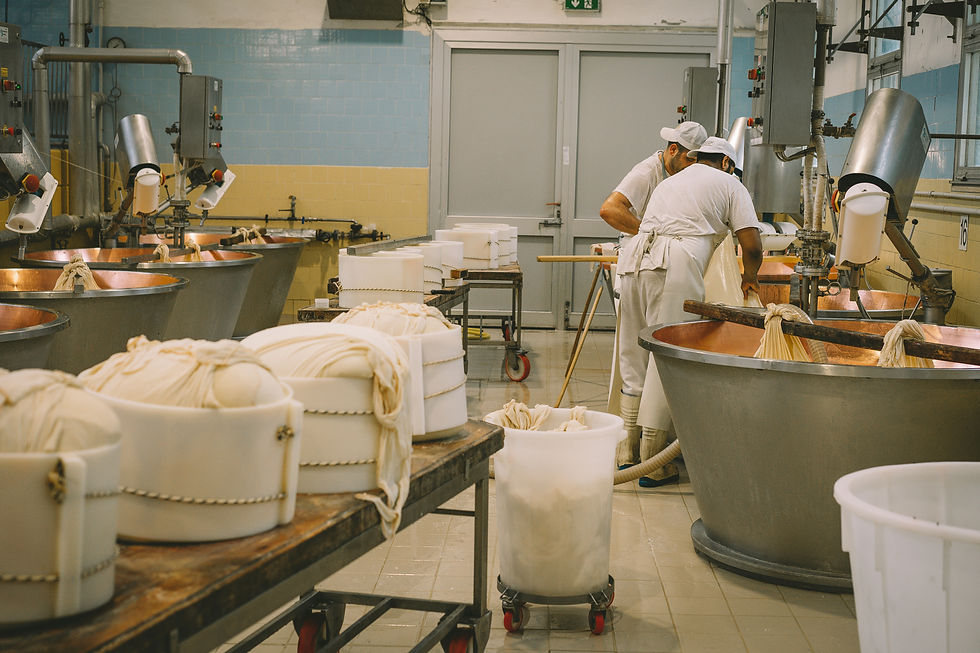
Because production volumes remain limited, adjustments can be made with greater precision. Factors such as temperature, acidity, and moisture are monitored closely during each stage of cheesemaking. Rather than relying heavily on automation, small-batch systems depend on observation and repeated manual intervention.
This approach also allows seasonal variation to remain visible in the cheese itself. Changes in pasture conditions, weather, and feed subtly affect the milk over time. Instead of eliminating these differences entirely, artisanal production often works with them, creating products that reflect natural cycles rather than strict uniformity.
For consumers, small-batch production offers greater transparency. The process becomes easier to trace, and the relationship between farm and product becomes more visible. Cheese is no longer separated from its origin, but understood as part of a larger agricultural system.


Comments